Quick Resource:
Mom Eulogy Generator – A compassionate, guided tool built specifically to help you write a eulogy that actually sounds like your mom, not a generic template.
TL;DR
- She wasn’t perfect, she was real: Talk about her quirks, her loud laugh, and her stubbornness. That’s who people miss.
- Your brain is foggy: Grief messes with your memory. Don’t expect your first draft to be Shakespeare.
- Themes, not dates: Nobody wants a timeline. Pick three traits that defined her and tell stories about them.
- Read the room: Sons and daughters often grieve differently. Lean into your specific relationship, whatever it looked like.
- Logistics save you: Print it big (16pt font), keep it under 7 minutes, and bring water.
- Get help: If you’re stuck, use tools. AI can act like a writing coach to help get the memories flowing.
Why This Feels So Impossible
Let’s be honest: writing a eulogy for the woman who gave you life is probably the hardest homework assignment you’ll ever get. You aren’t just summarizing a career or a friendship; you’re trying to explain the person who literally made you, all while navigating the rawest kind of grief. If staring at a blank page right now feels physically painful, that is completely normal.
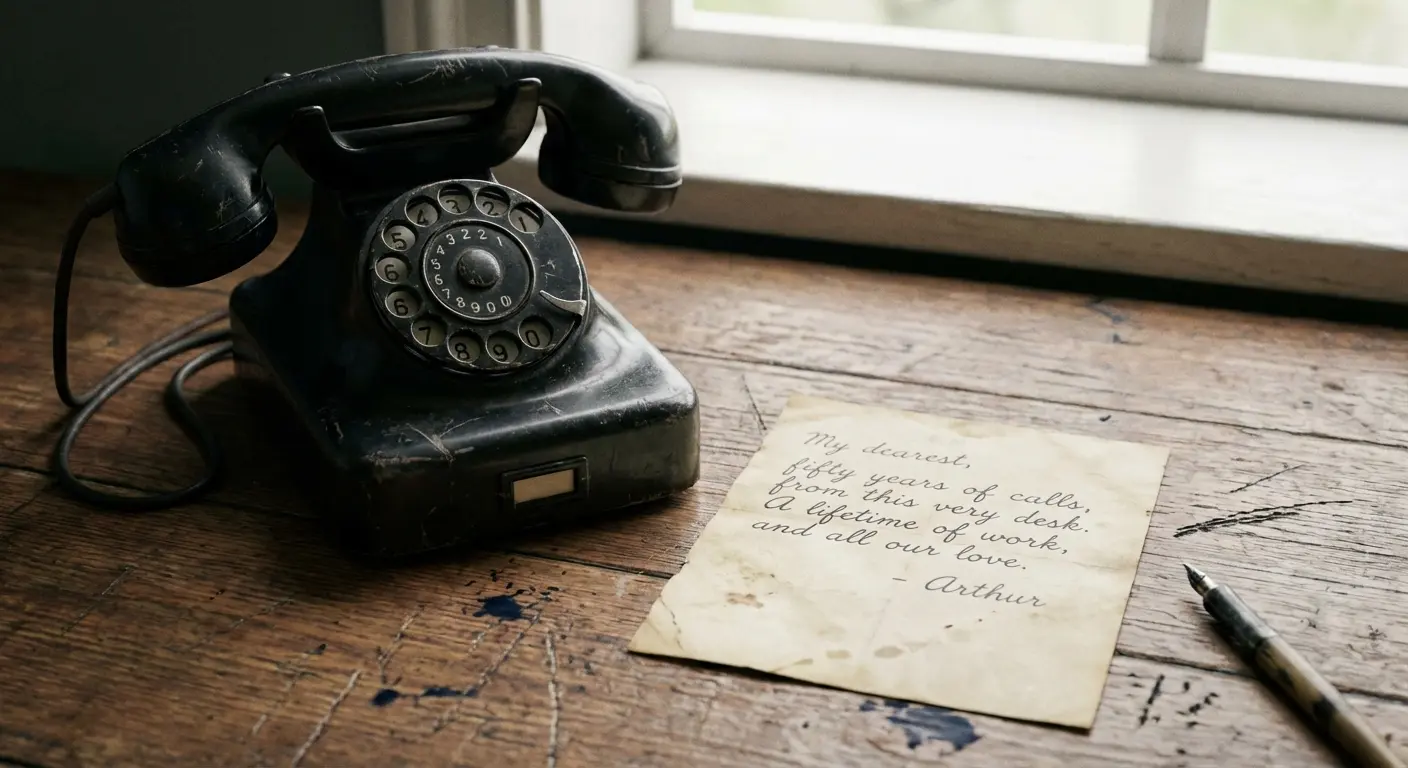
It’s weird to look at the cold, hard facts of a life—like “worked for the telephone company for 33 years”—and try to turn that into the feeling of her hugs or the sound of her voice [Source]. You need to bridge the gap between the biographical data and the actual feeling of her.
If you need a roadmap, we do have a guide on crafting the eulogy to help structure the chaos in your head. But for now, take a deep breath. The goal isn’t perfection. It’s connection.
If the blank page feels unbearable right now, the Mom Eulogy Generator can help you gently get started.
The Pressure to Make Her a Saint
There is this unspoken pressure at funerals to pretend the deceased was a flawless angel who never yelled, never burned dinner, and never held a grudge. You might feel forced to talk only about her sacrifices. But if you give in to that, you end up with a speech that could apply to literally anyone’s mother. Resist the urge to write a press release. Write about her.
It’s okay to write about the real her. The Mom Eulogy Generator helps surface authentic memories—not polished clichés.
Real Moms vs. The Hallmark Version
The tributes people actually remember are the ones that acknowledge humanity. Maybe she had a laugh that shook the windows, a terrible sense of direction, or she was stubbornly convinced she could fix the plumbing herself. Mentioning these grounded realities makes her feel present in the room. People miss the human version of your mother, not the impossible ideal.
If she was the funny one in the family, write a funny eulogy. Celebrate the laughter she brought. Honestly, a little humor often cuts through the tension in the room better than tears ever could.

Writing Through the Fog
Grief gives you “brain fog.” It’s a real thing. You might find it impossible to remember simple names or string a sentence together. This isn’t because you didn’t love her; it’s a physiological response to trauma. Give yourself permission to write garbage at first. Fragmented sentences, weird thoughts—just get it out. Don’t try to edit while you’re crying.
When grief makes it hard to think clearly, the Mom Eulogy Generator acts like a writing coach to get the memories flowing.
It’s Okay if It Wasn’t Simple
Mother-child relationships are complicated. Your eulogy should reflect the bond you actually had, not the one you saw on TV.
The “Saint” vs. The CEO
If your mom was the traditional nurturer, focus on the how. Not just “she was kind,” but “she always carried dog treats in her purse” or “she knew exactly how to make tea when I was sick.” If she was a career woman or a trailblazer, pivot. Talk about her grit, her independence, and the fact that she taught you how to negotiate a salary.
The difference is in the details:
- Generic: “She was nice to everyone.”
- Specific: “She was the only person I know who would stop traffic to save a turtle, but she also negotiated corporate mergers without blinking. She taught me that you can be soft and strong at the same time.”
When It Wasn’t Perfect
You don’t have to lie. If things were rocky, you can acknowledge complexity without airing dirty laundry. Focus on the peace she’s found now, or the specific positive traits that did exist. You’re curating the truth to honor the moment, not testifying in court.
This is a common struggle. A writer recently identified as “Done With Wearing a Mask” wrote into an advice column about the difficulty of eulogizing a mother who was difficult behind closed doors. It’s okay to protect your own mental health during this process. You matter too.
When It Happened Too Fast
Sudden loss leaves everyone in shock. A full biography feels weird when you’re still processing that she’s gone. In these cases, focus on her vitality—how alive she was just days ago. Share the last lesson she taught you. These speeches are often less about a life story and more about helping everyone in the room process the shock.

Sons vs. Daughters
Grief hits everyone, but the stories we tell often change based on who we are.
| Feature | Son’s Perspective | Daughter’s Perspective |
|---|---|---|
| Vibe | Protective, reverent, “First Love” | Intimate, shared experiences, friendship |
| Common Themes | How she supported his dreams & softened him | Advice on womanhood & seeing her in the mirror |
| Emotional Core | Gratitude for the foundation she built | Recognition of her as a fellow woman |
The Son’s Perspective
Sons often talk about their mom as their first fan. You might write about how she protected you, or how she was the one person who always thought you were the smartest kid in the room. When crafting a son’s eulogy, leaning into how she championed your ambitions usually hits home.
The Daughter’s Perspective
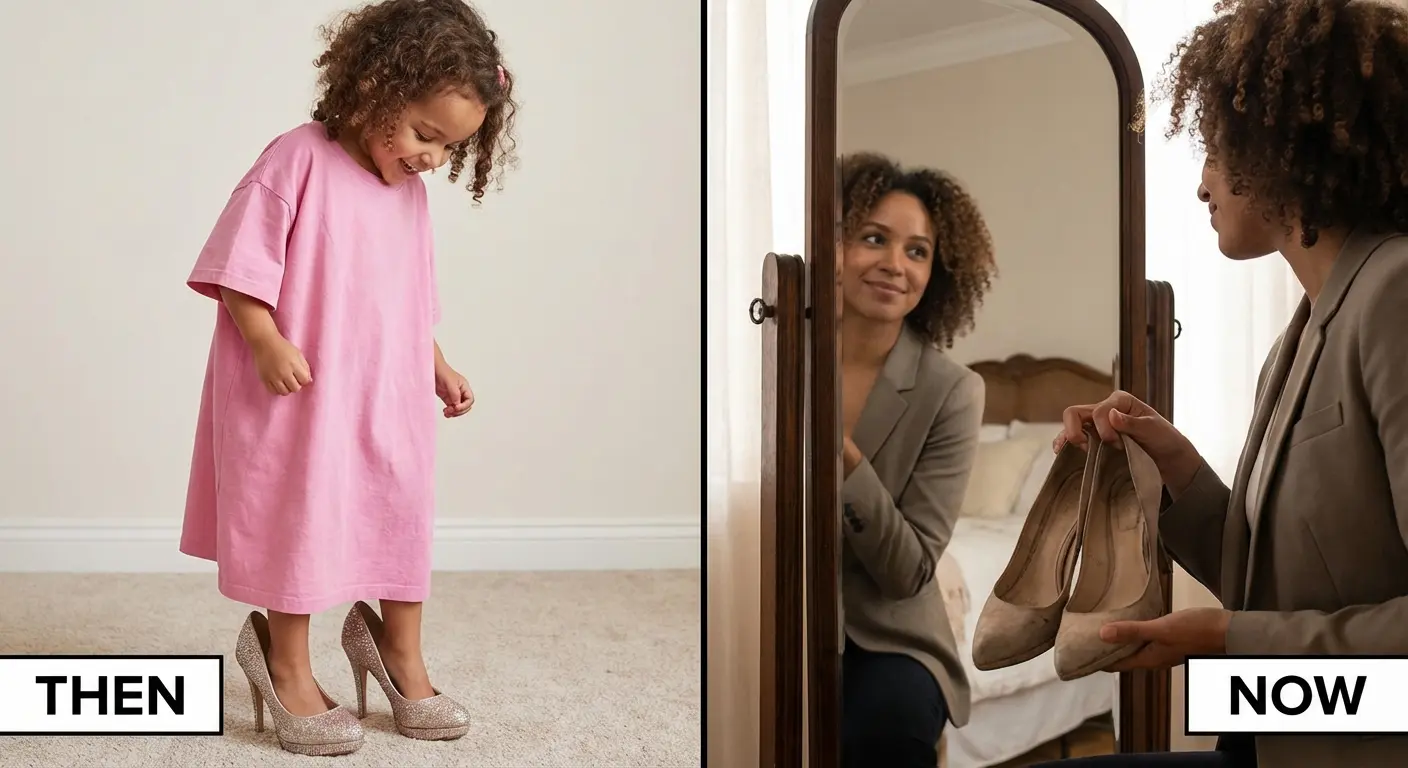
Daughters often focus on the shift from “mom” to “friend.” You might trace how you went from needing her permission to needing her advice. Discuss the wisdom she passed down, or the traits you see in the mirror that used to annoy you but now bring you comfort.
If you’re struggling to articulate that bond, looking at some mom eulogy quotes can sometimes spark an idea.
Building the Speech Without a Resume
Please, for the love of God, do not read her resume. Listing dates and job titles puts people to sleep. You want to organize a lifetime of memories into a story.
If you’re stuck organizing stories into themes, the Mom Eulogy Generator can help structure your tribute naturally.
Pick Three “Pillars”
Don’t try to tell her whole life story. Pick three themes (or “pillars”) that defined who she was.
Ask yourself:
- Was she the Protector who defended the family?
- Was she the Host whose kitchen was always open?
- Was she the Adventurer who dragged you on road trips?
- Was she the Jester who made everything funny?
The Through-Line
Once you have your pillars, hang your stories on them. If she was the “Quiet Worker,” tell the story about how she worked two jobs so you could go to camp. Connect the action to the value.
Ditch the Dates
Unless a date defines her character, skip it. Instead of saying she worked at a bank for 30 years, say she spent 30 years helping neighbors buy their first homes. Focus on impact, not calendars.
One writer noted his mother was “52 when her first grandchild arrived” and eventually became the center of the universe for “all ten” of them [Source]. That tells us who she was (a devoted grandma), not just when she lived.

Hooking and Holding Them
The beginning and end are what people remember. Don’t waste them.
The Opening Hook
Start with a scene. A smell. A catchphrase. Ground the audience immediately.
- Boring: “We are gathered here today to mourn my mother, Sarah.”
- Better: “My mother always said that if you weren’t ten minutes early, you were late. So, she’s probably looking down right now, annoyed that we started this service five minutes behind schedule.”
The Goodbye
End by talking about what stays. What habits, recipes, or sayings are you keeping? Then, say a direct goodbye. A simple “Rest easy, Mom” signals to the room that you’re done and helps you hold it together for those final seconds.
If you want to end on a lyrical note, checking out some poems isn’t a bad idea.

From Blank Page to Podium
Okay, practical time. How do you actually get words on paper and then get them out of your mouth?
Turning raw thoughts into a real speech is hard—the Mom Eulogy Generator helps shape your draft into something you can actually read aloud.
Digging Up the Good Stuff
When you feel stuck, stop staring at the screen. Look at her stuff.
Object Association
Walk through her house. Pick things up. Her gardening gloves? That’s a story. Her favorite chipped mug? That’s a story. Objects unlock memories faster than brainstorming does.

Ask Her Friends
Moms have whole separate lives with their friends that their kids never see. Ask them for stories. You might learn she was the wild one in her bridge club.
The “Vomit Draft”
The writing process has to be messy before it gets clean. Perfectionism is the enemy.
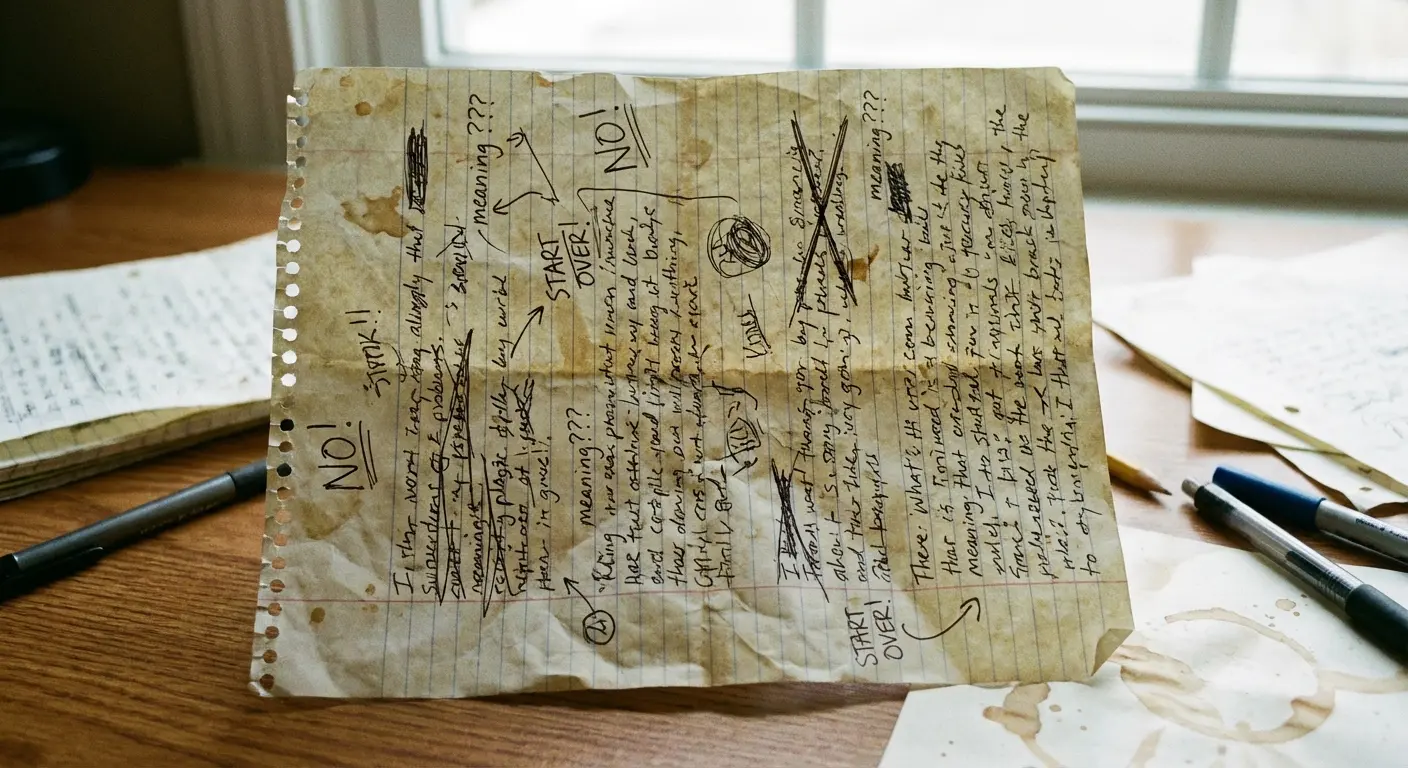
Try the 15-Minute Vomit Draft: Set a timer. Write everything that comes to your head. Do not stop to fix spelling. Do not stop to delete. Just get the raw emotion out. You can clean it up later.
Surviving the Delivery
Standing up there is physically hard. Your throat will get tight. Your hands will shake. Prepare for that.
Also, remember that grief can be weirdly funny. A recent Edinburgh Fringe show called “Cheers, Mom!” was praised for showing the “messy, fragmented vibe” of grief. You don’t have to be poised. You just have to be real.
Crying is Fine
If you cry, you cry. Take a second. Drink some water. If you can’t finish, have a backup reader (a sibling or cousin) ready to jump in. It’s a safety net.
Logistics Checklist
| Factor | The Fix | Why? |
|---|---|---|
| Font Size | 14pt – 16pt | You will be crying. Small text blurs. |
| Spacing | Double Spaced | Helps you keep your place when you look up. |
| Length | 3-7 Minutes | Leave them wanting more, not checking their watches. |
| Hydration | Water Bottle | Dry mouth is real when you’re nervous. |
Print, Don’t Memorize
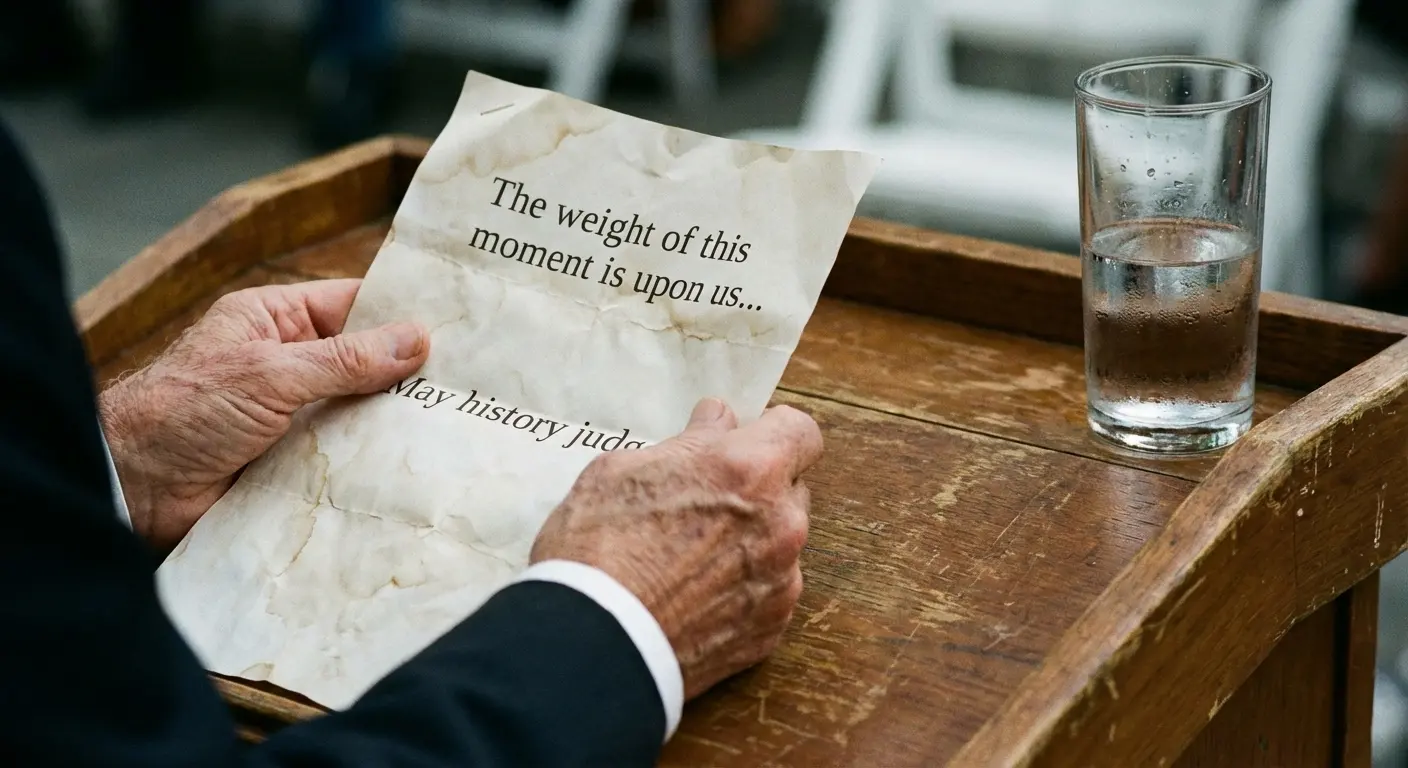
Do not memorize this. Grief deletes your memory. Print it out, big font, double spaced. Hold onto the paper.
Learning from Others
Read other eulogy examples to see how people balance the sad stuff with the funny stuff. But watch out for clichés.
Kill the Clichés:
- Cliché: “She lived a full life.”
- Better: “She lived a life so full that she went skydiving in her 60s and learned Italian in her 70s just to order pasta correctly.”
You Don’t Have to Do This Alone
If you are staring at the cursor and nothing is happening, it’s okay to get help. Technology can actually be useful here.
AI as a Writing Buddy
AI tools aren’t here to replace your heart; they’re here to unstick your brain. Think of them as a writing coach that asks you questions like “What made her laugh?” instead of just telling you to “write something nice.”
If you need support but still want it to sound like you, the Mom Eulogy Generator helps without taking over your voice.

How We Can Help
We built Eulogy Generator because we know how hard this is. Created by professional eulogy writer Jen Glantz, it’s not just a generic text bot. It asks you specific questions about your mom’s quirks, her history, and your memories, and then helps organize them into a speech that sounds like you. If you’re struggling, answer a few simple questions and let us help you find the words.
Final Thoughts
Writing this is likely one of the hardest things you will ever do. But remember: the audience is on your side. They aren’t grading your speech. They just want to hear about the woman they loved. Keep it simple, tell the truth, and speak from the heart. You’ve got this.